
Accounting errors arise out of mistakes related to accounting principles or clerical errors. These are different from the accounting records tampered with bookkeeping and payroll services to serve individual interests or selfish motives. These errors are usually noticed while discrepancies are observed in the data recorded or being tallied.
How to automate your accounting for accuracy

Essentially, bookkeeping errors are a subset of accounting errors, with the latter encompassing a wider range of financial reporting issues. Accounting errors can affect a business’s financial integrity and cause costly mistakes. Whether it’s a simple transposition error or a more complex omission, these inaccuracies can lead to misleading financial statements, tax issues, and misinformed decisions. The positive side is that most accounting errors can be avoided with the right strategies and tools in place. To correction of errors avoid this mistake, open separate bank accounts and credit cards for your business. Additionally, consider using accounting software that allows you to categorize and track expenses easily.
Error of entry reversal
- And again, these are honest, unintentional mistakes caused by lack of resources or lack of attention to detail.
- You can also use spreadsheets to track errors that you’ve identified and resolved.
- The system can also automatically apply your approval rules, ensuring consistent policy enforcement while maintaining a clear audit trail.
- While errors occur in any profession, they are uniquely risky in accounting.
- These errors can distort your financial reports, leading to misleading insights.
- Organize physical and digital documents (invoices, receipts, contracts) in a logical, easy-to-navigate system.
If the error impacts previously filed financial statements significantly, you’ll need to consider restating the affected reports. More than that, however, principle errors represent a more pressing issue. This results in an inaccurate total — and your business overcharging the income summary client. If the client spots this error, it could damage your relationship with them beyond repair.
accounting errors to watch out for and how to fix them
This way, you’ll see whether the bank made a mistake or recorded a transaction in a different month (and different monthly statement) than you did. Reviewing your trial balance (via your accounting software) is one way to find different types of errors. Though not all errors will affect the trial balance, so it’s not a foolproof way to catch mistakes. While fraud involves deliberately and intentionally hiding records or leaving issues unresolved, accounting errors are unknowingly caused and are typically remedied immediately upon discovery.

Reversing Entries
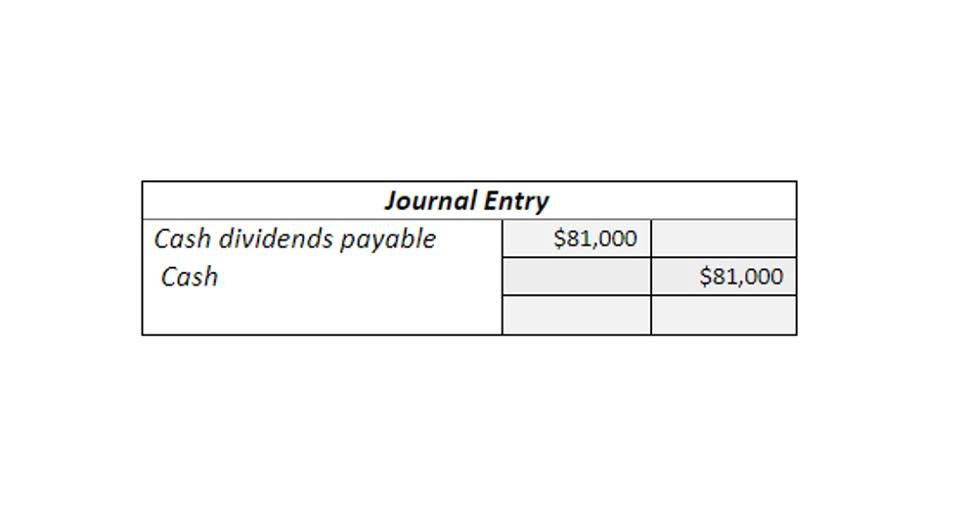
In fact, a survey by QuickBooks showed that 1 in 6 small business employees said a single inaccurate paycheck would make them quit their job. The professional accountant handling this process should ensure that the debit balance is equal to the credit balance in the trial balance. If you’ve made a mistake on your tax return that’s due to not taking reasonable care, is deliberate or is deliberate and has been concealed, you may be subject to penalties from HMRC. Business bookkeeping involves keeping up to date records of transactions so you can monitor how your business is performing. Bookkeeping can also relate to individuals keeping records for their tax return. If you have made mistakes on your tax return, you will need to consider amending your tax return.
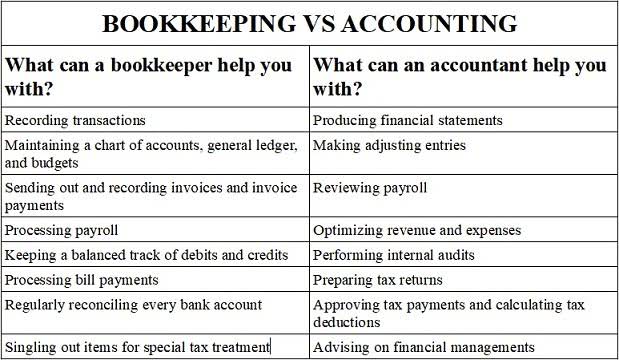
When combined with expense management software, these tools can automatically enforce your spending policies while giving employees the flexibility they need to do their jobs. Legacy systems and outdated processes can also contribute to accounting problems. If different departments use different software systems that don’t talk to each other, or if approval processes require multiple manual steps, bottlenecks and errors become almost inevitable. Correcting errors can alter taxable income, requiring amended tax returns. Depending on the nature of the errors, this may result in additional tax liabilities or refunds. Companies must address these adjustments carefully to avoid penalties and interest on back taxes.